













Can running help you lose weight? It absolutely can play a role, but my experience taught me something important: running and weight loss aren’t as simple as burning more calories by running more miles.
My own weight loss journey involved running, changing the way I ate, reducing carbohydrates and sugar, and becoming much more aware of my overall health.
For me, running was important—but diet turned out to be an even bigger part of the story.
My Running and Weight Loss Journey
My story really began in years ago when my doctor told me that my A1C was high and that I had Type 2 diabetes.
At the time, I thought losing some weight would solve the problem. I’d lost weight before, so I figured I knew what to do.
I lost about 10 pounds and went back to my doctor expecting good news.
Instead, my A1C had climbed to more than 10.
That was a wake-up call.
My doctor told me insulin might eventually be necessary. I asked for more time to work on my lifestyle, and that began a much more serious effort to understand weight loss, nutrition, blood sugar and exercise.
Running to Lose Weight Was Only Part of the Answer
I started reading about nutrition and eventually decided to dramatically reduce my carbohydrate intake and follow a diet that was relatively close to keto.
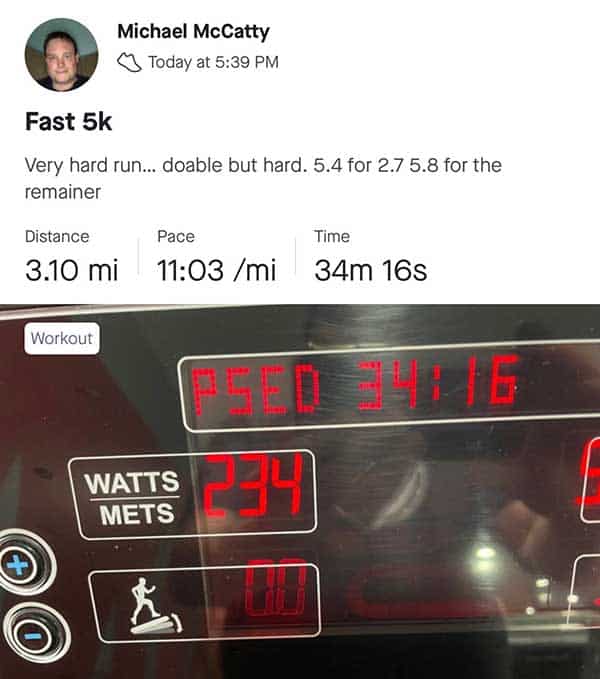
At the same time, I was training for a 5K and running regularly.
The combination produced results.
I lost approximately another 30 pounds while changing my diet and running. At my next test, my A1C had dropped to 6.3.
Eventually, I was running a 5K every other day while continuing my dietary changes.
Three months later, my A1C tested at 5.6.
That experience completely changed how I thought about running for weight loss.

Does Running Help You Lose Weight?
Running burns calories, improves cardiovascular fitness and can be an excellent part of a weight loss exercise program.
But here’s what I learned from my experience:
You can’t rely on running alone to overcome everything happening in your diet.
You can finish a great 5K, 10K or long run and still consume those calories surprisingly quickly afterward.
That’s why I now look at running and nutrition as partners rather than competitors.
Running helped me become fitter and gave me a reason to stay active. Changing my eating habits helped me control how much energy I was consuming.
For me, both mattered.
Can Running Help You Lose Belly Fat?
One of the most common questions people have about running and weight loss is whether running can specifically reduce belly fat.
You can’t tell your body exactly where to lose fat. Running isn’t an exercise that specifically burns stomach fat.
What it can do is increase your overall activity and calorie expenditure. When that is combined with appropriate nutrition and an overall calorie deficit, body fat can decrease over time.
That can include both subcutaneous fat—the fat you can pinch—and visceral fat stored deeper around the abdominal organs.
So rather than looking for the perfect exercise to lose belly fat, I think the better goal is creating habits you can maintain.
For me, running became one of those habits.
Running 5K for Weight Loss
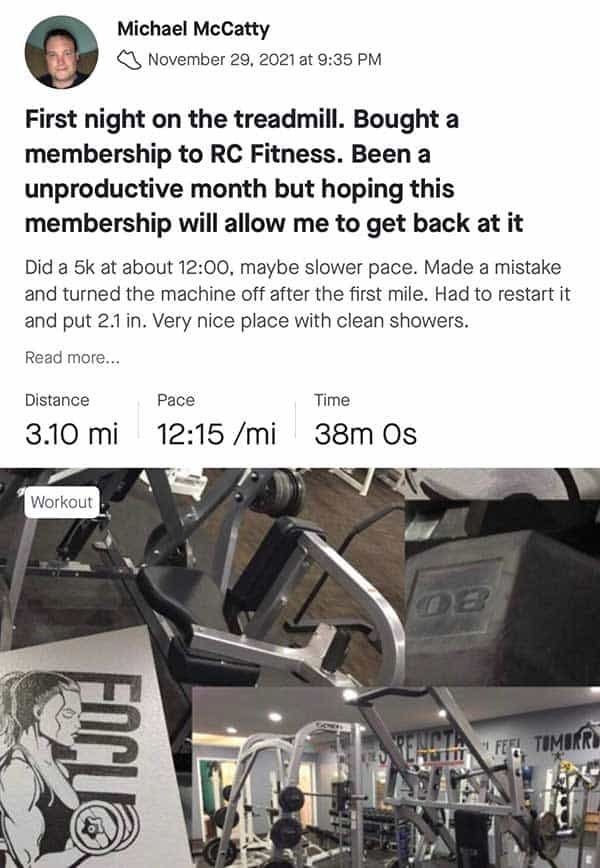
I became particularly interested in 5K running for weight loss because 3.1 miles was a distance I could realistically incorporate into my life.
You don’t necessarily need to run a marathon to benefit from running.
A beginner might start with:
- Walking
- Walk/run intervals
- Easy jogging
- A Couch-to-5K style program
- Running a mile
- Training for a first 5K
- Gradually increasing running distance
The important part is finding an amount of exercise you can recover from and repeat consistently.
Running extremely hard for a few weeks and then quitting isn’t necessarily better than doing a manageable amount of running, walking and strength training for years.

Running vs. Diet for Weight Loss
If I had to choose which made the biggest difference in my own weight loss transformation, I would give more credit to changing my diet than to running.
That doesn’t mean running wasn’t important.
Running gave me goals.
It improved my fitness.
It helped burn calories.
It gave me something productive to focus on.
And eventually, being a runner became part of how I saw myself.
But I don’t believe my results came simply because I started running more miles.
My eating habits changed significantly at the same time.

Protein, Running and Weight Loss
Something else I’ve learned is that weight loss isn’t simply about eating as little as possible.
If you’re exercising regularly, your body needs nutrition to recover.
Protein can be particularly important when you’re trying to lose fat while maintaining muscle.
Foods such as eggs, chicken, fish, lean beef, turkey, Greek yogurt, cottage cheese and other protein-rich foods can make it easier to build meals around protein.
I’ve also put together 20 simple meal ideas that provide approximately 30 grams of protein to make this easier.
The goal isn’t starvation.
It’s finding a way of eating that supports your health, activity level and weight goals and that you can realistically maintain.
You Can’t Outrun a Bad Diet – Visceral Fat

Running, Type 2 Diabetes and My A1C
Running also became part of a much larger health journey for me.
I went from worrying about an A1C above 10 to eventually seeing a reading of 5.6.
I want to be very clear about something, though:
This is my personal experience, not medical advice.
Type 2 diabetes is a medical condition, and medication or dietary changes should be discussed with your healthcare provider. My results shouldn’t be taken as a promise that someone else will have the same outcome.
What my experience taught me was how powerful lifestyle changes could be for me when I took my nutrition, body weight and physical activity seriously.
Low-Carb Eating and Intermittent Fasting
During this period I also experimented with low-carb eating, keto and intermittent fasting.
I sometimes followed a 16:8 eating pattern and occasionally fasted for longer periods.
Again, these were choices I made during my own journey—not something everyone needs to do to lose weight or become a runner.
What mattered most was finding an eating pattern I could sustain.
You Don’t Have to Be Fast to Run for Weight Loss
This might be one of the most important lessons I’ve learned.
You don’t have to be a fast runner.
You don’t need an impressive 5K time.
And you don’t have to run every day.
If you’re running to lose weight, walking and easy running still count.
In fact, an easier workout you can consistently repeat may ultimately accomplish more than an incredibly difficult workout that makes you dread exercising.
Consistency matters.
Running Changed More Than My Weight
I originally approached running partly as a way to improve my health and lose weight.
But running eventually gave me something bigger.
It gave me goals to chase, places to explore and reasons to keep moving.
The number on the scale was important, but becoming healthier and more physically capable became just as meaningful.
That’s why I don’t think of this simply as a before-and-after weight loss story.
It’s a running story.

What I’ve Learned About Running and Weight Loss
If you’re thinking about starting running to lose weight, don’t assume you have to immediately run long distances or punish yourself with difficult workouts.
Start where you are.
Walk.
Run a little.
Build toward a mile.
Train for a 5K.
Pay attention to what you’re eating.
Get enough protein.
Give yourself time.
And concentrate on building habits you could realistically still be doing a year from now.
Running can absolutely be part of a successful weight loss journey.
For me, though, the biggest lesson was that running was only one piece of the puzzle.
Diet, consistency and lifestyle mattered too.
And ultimately, that’s what changed my life.