








Detroit Detroit Detroit Detroit Detroit Detroit Detroit Detroit Detroit Detroit Detroit Detroit Detroit Detroit

Running and Weight Loss: How Running, Diet and Consistency Changed My Health

Weight loss running before and after transformation showing a male runner from April to July

Can running help you lose weight? It absolutely can play a role, but my experience taught me something important: running and weight loss aren’t as simple as burning more calories by running more miles.

My own weight loss journey involved running, changing the way I ate, reducing carbohydrates and sugar, and becoming much more aware of my overall health.

For me, running was important—but diet turned out to be an even bigger part of the story.

My Running and Weight Loss Journey

My story really began in years ago when my doctor told me that my A1C was high and that I had Type 2 diabetes.

At the time, I thought losing some weight would solve the problem. I’d lost weight before, so I figured I knew what to do.

I lost about 10 pounds and went back to my doctor expecting good news.

Instead, my A1C had climbed to more than 10.

That was a wake-up call.

My doctor told me insulin might eventually be necessary. I asked for more time to work on my lifestyle, and that began a much more serious effort to understand weight loss, nutrition, blood sugar and exercise.

Running to Lose Weight Was Only Part of the Answer

I started reading about nutrition and eventually decided to dramatically reduce my carbohydrate intake and follow a diet that was relatively close to keto.

At the same time, I was training for a 5K and running regularly.

The combination produced results.

I lost approximately another 30 pounds while changing my diet and running. At my next test, my A1C had dropped to 6.3.

Eventually, I was running a 5K every other day while continuing my dietary changes.

Three months later, my A1C tested at 5.6.

That experience completely changed how I thought about running for weight loss.


Does Running Help You Lose Weight?

Running burns calories, improves cardiovascular fitness and can be an excellent part of a weight loss exercise program.

But here’s what I learned from my experience:

You can’t rely on running alone to overcome everything happening in your diet.

You can finish a great 5K, 10K or long run and still consume those calories surprisingly quickly afterward.

That’s why I now look at running and nutrition as partners rather than competitors.

Running helped me become fitter and gave me a reason to stay active. Changing my eating habits helped me control how much energy I was consuming.

For me, both mattered.

Can Running Help You Lose Belly Fat?

One of the most common questions people have about running and weight loss is whether running can specifically reduce belly fat.

You can’t tell your body exactly where to lose fat. Running isn’t an exercise that specifically burns stomach fat.

What it can do is increase your overall activity and calorie expenditure. When that is combined with appropriate nutrition and an overall calorie deficit, body fat can decrease over time.

That can include both subcutaneous fat—the fat you can pinch—and visceral fat stored deeper around the abdominal organs.

So rather than looking for the perfect exercise to lose belly fat, I think the better goal is creating habits you can maintain.

For me, running became one of those habits.

Running 5K for Weight Loss

I became particularly interested in 5K running for weight loss because 3.1 miles was a distance I could realistically incorporate into my life.

You don’t necessarily need to run a marathon to benefit from running.

A beginner might start with:

  • Walking
  • Walk/run intervals
  • Easy jogging
  • A Couch-to-5K style program
  • Running a mile
  • Training for a first 5K
  • Gradually increasing running distance

The important part is finding an amount of exercise you can recover from and repeat consistently.

Running extremely hard for a few weeks and then quitting isn’t necessarily better than doing a manageable amount of running, walking and strength training for years.

Running vs. diet for weight loss showing a runner, healthy high-protein foods, scale and measuring tape

Running vs. Diet for Weight Loss

If I had to choose which made the biggest difference in my own weight loss transformation, I would give more credit to changing my diet than to running.

That doesn’t mean running wasn’t important.

Running gave me goals.

It improved my fitness.

It helped burn calories.

It gave me something productive to focus on.

And eventually, being a runner became part of how I saw myself.

But I don’t believe my results came simply because I started running more miles.

My eating habits changed significantly at the same time.

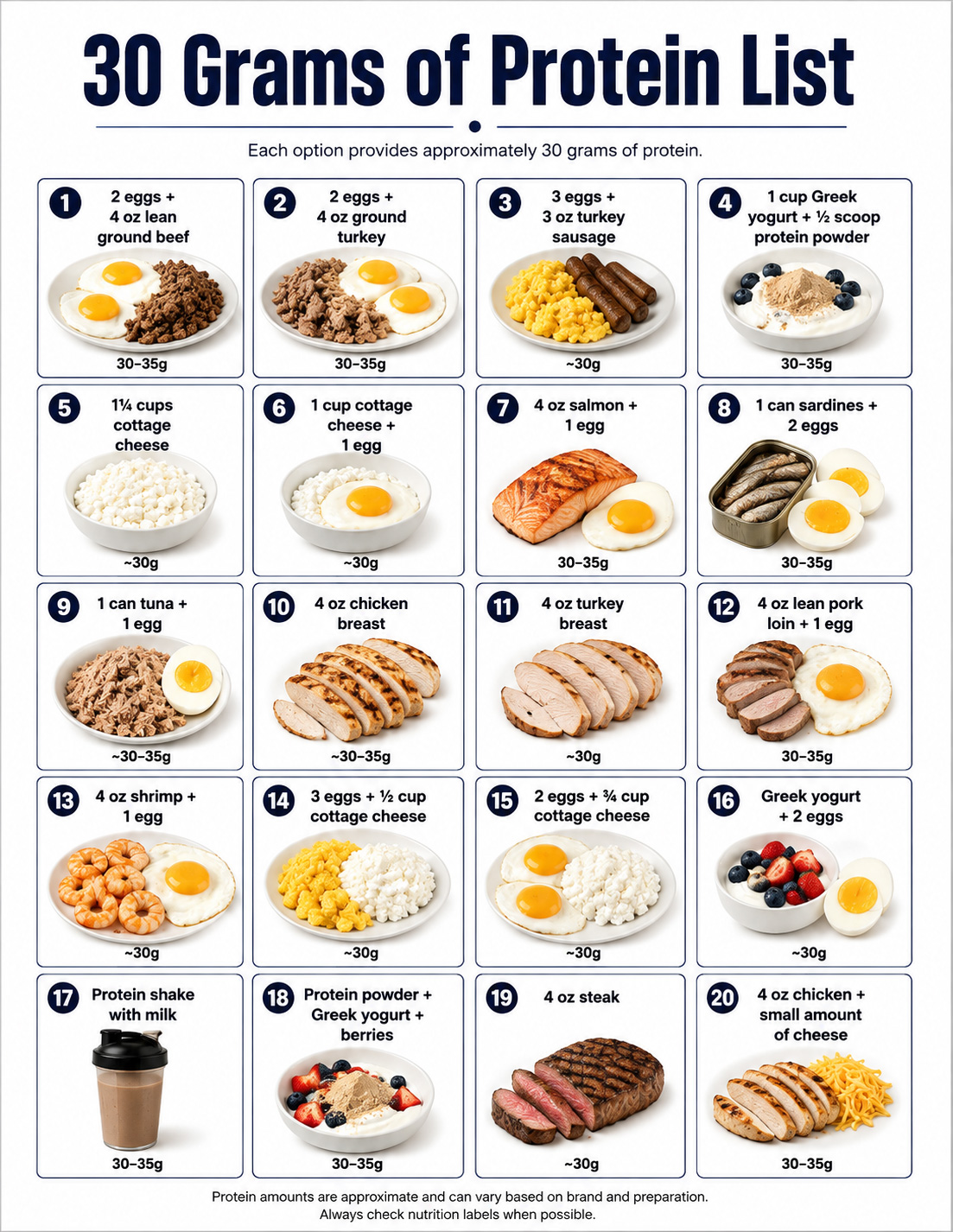
30 grams of protein list featuring 20 meal ideas including eggs, chicken, beef, turkey, salmon, Greek yogurt, cottage cheese, tuna and protein shakes.
20 simple ways to get approximately 30 grams of protein in a meal. CLICK THIS IMAGE TO DOWNLOAD AND PRINT

Protein, Running and Weight Loss

Something else I’ve learned is that weight loss isn’t simply about eating as little as possible.

If you’re exercising regularly, your body needs nutrition to recover.

Protein can be particularly important when you’re trying to lose fat while maintaining muscle.

Foods such as eggs, chicken, fish, lean beef, turkey, Greek yogurt, cottage cheese and other protein-rich foods can make it easier to build meals around protein.

I’ve also put together 20 simple meal ideas that provide approximately 30 grams of protein to make this easier.

The goal isn’t starvation.

It’s finding a way of eating that supports your health, activity level and weight goals and that you can realistically maintain.

You Can’t Outrun a Bad Diet – Visceral Fat

Running, Type 2 Diabetes and My A1C

Running also became part of a much larger health journey for me.

I went from worrying about an A1C above 10 to eventually seeing a reading of 5.6.

I want to be very clear about something, though:

This is my personal experience, not medical advice.

Type 2 diabetes is a medical condition, and medication or dietary changes should be discussed with your healthcare provider. My results shouldn’t be taken as a promise that someone else will have the same outcome.

What my experience taught me was how powerful lifestyle changes could be for me when I took my nutrition, body weight and physical activity seriously.

Low-Carb Eating and Intermittent Fasting

During this period I also experimented with low-carb eating, keto and intermittent fasting.

I sometimes followed a 16:8 eating pattern and occasionally fasted for longer periods.

Again, these were choices I made during my own journey—not something everyone needs to do to lose weight or become a runner.

What mattered most was finding an eating pattern I could sustain.

You Don’t Have to Be Fast to Run for Weight Loss

This might be one of the most important lessons I’ve learned.

You don’t have to be a fast runner.

You don’t need an impressive 5K time.

And you don’t have to run every day.

If you’re running to lose weight, walking and easy running still count.

In fact, an easier workout you can consistently repeat may ultimately accomplish more than an incredibly difficult workout that makes you dread exercising.

Consistency matters.

Running Changed More Than My Weight

I originally approached running partly as a way to improve my health and lose weight.

But running eventually gave me something bigger.

It gave me goals to chase, places to explore and reasons to keep moving.

The number on the scale was important, but becoming healthier and more physically capable became just as meaningful.

That’s why I don’t think of this simply as a before-and-after weight loss story.

It’s a running story.


Runner with Type 2 diabetes exercising alongside a glucose meter, blood sugar test and healthy high-protein foods

What I’ve Learned About Running and Weight Loss

If you’re thinking about starting running to lose weight, don’t assume you have to immediately run long distances or punish yourself with difficult workouts.

Start where you are.

Walk.

Run a little.

Build toward a mile.

Train for a 5K.

Pay attention to what you’re eating.

Get enough protein.

Give yourself time.

And concentrate on building habits you could realistically still be doing a year from now.

Running can absolutely be part of a successful weight loss journey.

For me, though, the biggest lesson was that running was only one piece of the puzzle.

Diet, consistency and lifestyle mattered too.

And ultimately, that’s what changed my life.

You Can’t Outrun a Bad Diet – Visceral Fat

Exercise matters. Running, walking, lifting weights, and simply moving more can improve your fitness, strengthen your body, and burn calories. But exercise can’t completely compensate for poor eating habits.

You can’t outrun a bad diet.

A hard workout might last 30–60 minutes, but the choices you make during the other 23 hours of the day can have an even greater impact on your weight, body composition, energy, and overall health.

30 grams of protein list featuring 20 meal ideas including eggs, chicken, beef, turkey, salmon, Greek yogurt, cottage cheese, tuna and protein shakes.
20 simple ways to get approximately 30 grams of protein in a meal. CLICK THIS IMAGE TO DOWNLOAD AND PRINT

Start With One Simple Goal: Protein

Instead of trying to completely change your diet overnight, start with something manageable:

Work toward approximately 30 grams of protein at each main meal.

Protein helps you feel fuller longer and helps maintain and build muscle. This becomes particularly important when you’re exercising and trying to lose body fat. The goal isn’t simply to lose weight—you want to lose excess fat while maintaining as much muscle as possible.

Runner exercising outdoors with a high-protein meal, illustrating visceral fat reduction, belly fat loss, aerobic exercise, healthy eating and protein for runners.

Why 30 Grams?

Thirty grams isn’t a magic number. It’s simply an easy target that can help you build meals around protein rather than making protein an afterthought.

A meal might be:

      • 2 eggs + lean ground meat
      • Greek yogurt + protein powder
      • Cottage cheese + eggs
      • Chicken breast
      • Salmon + an egg
      • Tuna + an egg
      • Steak
      • A protein shake

The original video’s approach is similar: build a meal containing roughly 30 grams of protein to improve fullness and support muscle.

Should You Do This Every Day?

Yes—consistency is the point.

You don’t need to eat the same foods every day, and you don’t need to hit exactly 30 grams at every meal. Work toward making adequate protein a normal part of how you eat.

A simple day might look like:

Breakfast: ~30g protein
Lunch: ~30–40g protein
Dinner: ~30–40g protein

Then adjust your total intake according to your individual needs.

And if you don’t normally eat breakfast, you don’t have to start. The video specifically recommends preparing your protein meal for whenever you normally have your first meal rather than forcing yourself to eat first thing in the morning.

Exercise Is Still Important

“You can’t outrun a bad diet” doesn’t mean running or exercise isn’t valuable.

It’s the opposite.

Exercise and nutrition work together.

Exercise helps improve fitness, cardiovascular health, strength, endurance, and calorie expenditure. Protein and good nutrition give your body what it needs to recover, maintain muscle, and support those workouts.

Don’t think:

“I exercised today, so I can eat whatever I want.”

Think:

“I worked hard today. Now I’m going to give my body the nutrition it needs to benefit from that work.”

Don’t Try to Be Perfect

You don’t need a perfect diet.

You need a diet that’s better than the one you have today and realistic enough to continue tomorrow.

Start small.

      • Exercise consistently.
      • Build meals around protein.
      • Reduce unnecessary sugar and highly processed foods.
      • Drink more water.
      • Make better choices most of the time.

Then keep doing it.

Because you can run hundreds of miles—but you still can’t outrun a bad diet.

Training plan and Visceral Fat Focus

I’m doing exactly this as part of my six-week training challenge for the Blue Ribbon Run. I’m putting in the running miles and speed work, but I also realize that training is only part of the equation. Improving my nutrition and losing some excess weight before race day could make running faster a little easier.

My goal is very specific: I want to run this year’s Blue Ribbon Run at the same pace I ran the race in 2020. I was younger then, but interestingly, I wasn’t nearly as focused on nutrition as I am now.

This time, I’m approaching the challenge from both sides. I’m training my legs and cardiovascular system through running, while also paying more attention to what I eat—especially getting enough protein, making better food choices, and working toward reducing excess body fat.

I’m not expecting perfection, and I’m not looking for a shortcut. The goal is six weeks of consistent, better choices. Run consistently. Eat better. Recover properly. Lose some unnecessary weight. Then see how close I can get to that 2020 version of myself when I step up to the starting line.

The clock will tell me if it worked.

How I Planned My Michigan County Runs

When I set out to run a 5K in every county in Michigan, I wanted each route to be more than just another run—I wanted it to be an experience. Every county has its own character, and I wanted to discover something interesting, memorable, or beautiful in each one.

Finding Interesting Places to Run

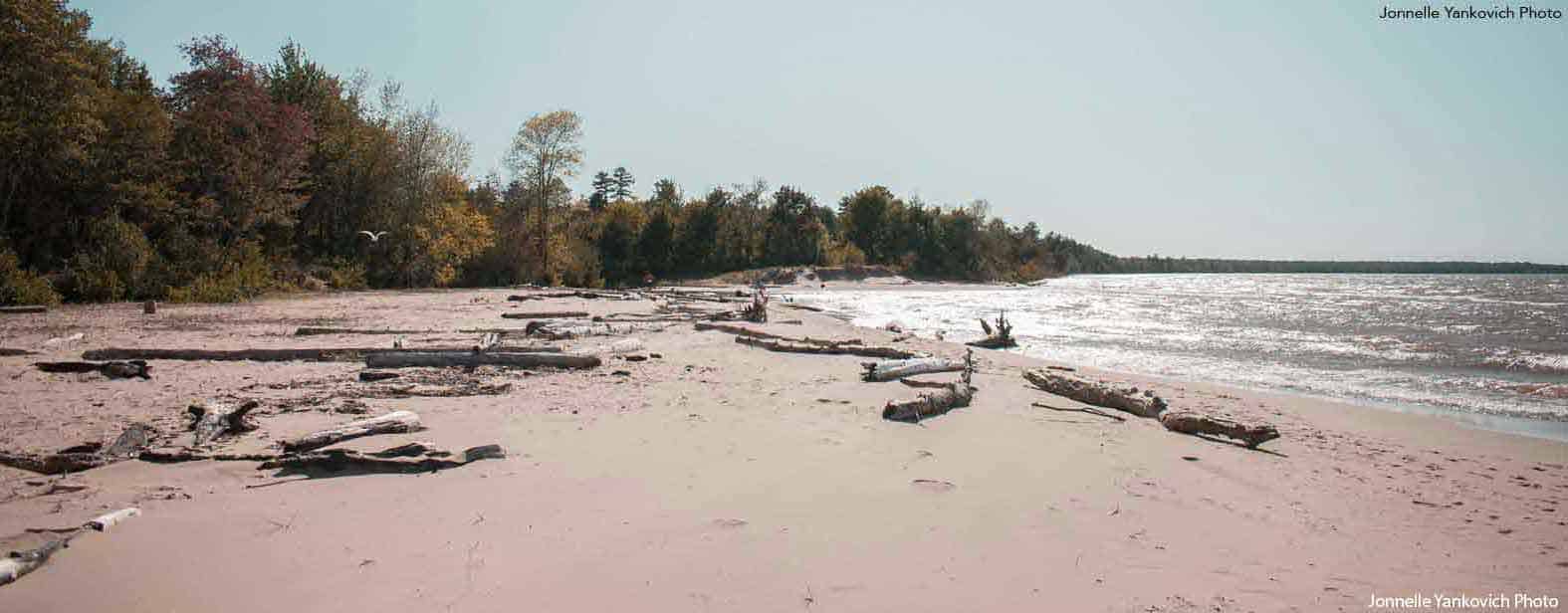
For the most part, I looked for unique and scenic locations—often near lakes, rivers, or notable landmarks. Big cities and popular recreation areas were obvious choices, but I also found countless small, hidden spots that made each county special.

Campgrounds were another big factor. Many of my runs started from campgrounds that were close to lakes, rivers, or natural attractions. Running near water had several advantages: the elevation changes were minimal, the views were amazing, and it offered something different than running square rural sections.

In Michigan, a “section” of land is typically one square mile, so running around one section would be about four miles—or roughly the size of a 5K. I would often find sections broken up by lakes that created natural loops, which made them perfect for my runs.

Tools and Planning

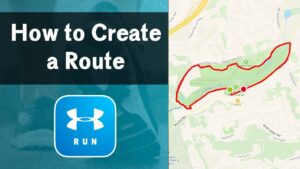
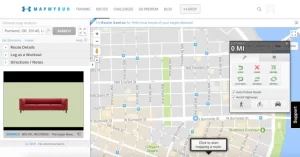
The main tool I used for planning was MapMyRun.com. I would pull up the county I was going to visit—sometimes in the north, sometimes in the south—and explore the map for possible routes. My main goal was to find a loop or out-and-back route with just a little elevation change, nothing too extreme.

I also reached out to people for advice. Sometimes I would contact local runners through my website or ask friends who lived nearby where the best places to run might be. Some of my favorite runs came directly from those local recommendations.

Returning to Memorable Locations

There were a few counties that I knew I wanted to revisit because of past experiences. For example, Livingston County stood out to me for its hilly trails. I had run there before, and I remembered being amazed by the landscape—it was both challenging and beautiful.

Choosing Scenic or Iconic Spots

I also aimed to highlight interesting or iconic locations around Michigan. Some runs were chosen simply because they featured something worth showcasing—like the Houghton Bridge, the Mackinac Bridge, or the streets of downtown Grand Rapids. These places represent Michigan’s beauty, history, and architecture, and I wanted each run to tell part of that story.

The Adventure of the Unknown

Probably 90% of the counties I ran in were places I had never visited before. Often, I’d drive out not knowing what to expect—and honestly, that was part of the magic. Every trip brought surprises, challenges, and moments that made the entire experience unforgettable.

Along the way, I also had to plan for the practical side of things: places to stay, eat, and even shower. After running a few miles, hopping back into the car for a three-hour drive isn’t exactly ideal! Finding those local amenities became part of the journey.

Trails, Roads, and Adjustments

I didn’t limit myself to one type of terrain. I ran on everything—paved roads, dirt roads, and trails. Trails were my favorite, but maps don’t always tell the full story. There were plenty of times I had to adjust my route on the spot because of something unexpected, like construction, flooding, or a closed trail.

Running with Locals

Some of my best memories came from running with people from the local area. There were several counties where I had company, and those shared experiences made those runs even more meaningful.

Reflecting on the Journey

I’ve completed hundreds of 5Ks, plenty of 10Ks, several 5-milers, and even a few half marathons—but running in every Michigan county has been, without a doubt, the most memorable running experience of my life.

For each county run, I probably ran another ten 5Ks just for training. But the “Run Every County” challenge stands apart because it connected me to places, people, and stories across Michigan in a way no single race ever could.

If you’re reading this and think I missed a better route in your county—or if you’ve done something similar—I’d love to hear from you. I’m planning to revisit many counties in the future, and I’d welcome any suggestions or even company on the trails.

Helpful Tools for Runners

While MapMyRun.com was my go-to planning tool, there are several other great apps worth checking out for anyone planning their own runs:

  • Strava – Popular for mapping, tracking, and connecting with other runners.

  • AllTrails – Excellent for discovering trail routes and checking elevation.

  • Komoot – Great for outdoor route planning with detailed surface information.

  • Garmin Connect – Ideal for those using Garmin watches and GPS devices.

  • Runkeeper – A simple, reliable app for tracking and planning routes.

How I found the best places to run in Michigan

Choosing the right place to run isn’t just about convenience – it’s about creating an experience. Every Michigan county offered something unique, and I feel incredibly grateful to have seen so much of our state on foot. This challenge wasn’t just about the miles – it was about discovery, connection, and finding beauty in every corner of Michigan.

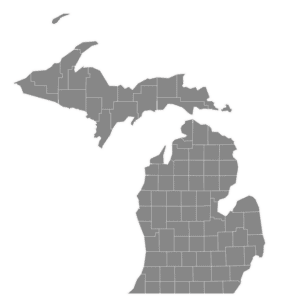
Running Michigan: How I Planned, Traveled, and Conquered All 83 Counties

Listening and Learning

My process started with research — and listening. Before I laced up my shoes, I’d reach out to people who knew the area best. I asked locals where they liked to run, read posts from Michigan running communities, and scrolled through countless online forums. Sometimes people would message me their favorite routes; other times, I’d stumble onto something special while exploring on my own.

But if there’s one resource that deserves the most credit, it’s MapMyRun.com. That site was a lifesaver. It let me measure distances, study elevation, and plan routes on a live map. Whether I was sketching out a loop through farmland or tracing a shoreline path, I could fine-tune every mile before I even tied my shoes.

Choosing the Right Route

My criteria for each run changed from county to county. Some routes followed scenic trails or quiet backroads, while others wound through cities, small towns, or along bike paths. I ran through forests, farmlands, and urban neighborhoods — sometimes dodging traffic, sometimes completely alone.

Most of my runs were on dirt or paved county roads, and though it might sound risky, Michigan drivers impressed me. They’d slow down, wave, or move over to give me space. It’s something I’ll never forget.

Whenever possible, I avoided “out-and-backs.” I wanted loops — routes that revealed something new with every turn. I wasn’t just running 5Ks; I was exploring.

Dealing with Michigan Weather

Michigan weather doesn’t give anyone a break. I ran in just about every condition imaginable — sweltering summer heat, autumn rain, winter snow, even thunderstorms. There were peaceful golden evenings and bitterly cold mornings. I ran a county in every month of the year, including some of the coldest days of winter.

Every season had its own rhythm, and every run its own challenge. Sometimes the weather made things tough — but it also made each run memorable in its own way.

Timing the Runs

Most of my runs happened after work, usually in the early evening. Other times, I’d start at sunrise, especially if I had a long drive ahead. On a few unforgettable occasions, I ran multiple counties back-to-back.

Once, I ran four counties within 24 hours — Monroe, Lenawee, Hillsdale, and Washtenaw — two at night and two the next morning. By the end, I was completely spent, but I was also proud. Those were the days when endurance and logistics mattered just as much as running itself.

Where I Stayed and Planned

Planning wasn’t just about the runs — it was about where to stay and how to recover. Some nights I camped under the stars; others I crashed in a motel or small-town hotel. Once in a while, I’d park at a truck stop just to grab a shower and rest before moving on.

I also tried to plan my runs around points of interest — a landmark, a lake, or even a diner I’d heard about. The goal wasn’t just to run in each county, but to experience it.

Zillwalkee Bridge

Memorable Sights and Encounters

Running across all 83 counties gave me a view of Michigan that few people ever see. Wildlife was everywhere — deer, opossums, chipmunks, geese, ducks, and squirrels often shared the trail. I passed landmarks like the Mackinac Bridge, the State Capitol, and the skylines of Michigan’s biggest cities.

But what stayed with me most weren’t the famous places — it was the barns. Seeing those red barns standing strong against the fields reminded me of the hard work and pride that define Michigan’s rural communities. They grounded me and reminded me why I loved this journey so much.

The Tech Behind the Runs

Technology played a big part in keeping this project on track. I used MapMyRun to plan routes, Strava and my Apple Watch to track them, and Google Maps to navigate. Between these tools and advice from local forums, I built a pretty tight system.

After each run, I posted updates on RunMI5K.com and shared my progress on LinkedIn, Instagram, Facebook, Twitter, and Reddit. Keeping a digital record didn’t just keep me accountable — it helped me share Michigan’s beauty with others and connect with runners from all over.

Helpful Tools for Runners

While MapMyRun.com was my go-to planning tool, there are several other great apps worth checking out for anyone planning their own runs:

      • Strava – Popular for mapping, tracking, and connecting with other runners

      • AllTrails – Excellent for discovering trail routes and checking elevation.

      • Komoot – Great for outdoor route planning with detailed surface information.

      • Garmin Connect – Ideal for those using Garmin watches and GPS devices.

      • Runkeeper – A simple, reliable app for tracking and planning routes

What I’d Do Differently

If I were to start over, I’d make a bigger effort to connect with locals before each run. Posting in community subreddits, asking for trail tips, or reaching out to local running clubs would’ve made the experience even richer. The feedback and enthusiasm I’ve received since posting my story has been incredible — and it reminded me how many people share this same passion for running and exploration.

Other than that, I wouldn’t change a thing. The project went smoother than I ever imagined. It was challenging, exhausting, and deeply rewarding.

Run Every County in Michigan – At least visit all of them!

I don’t know if everyone should run, bike, or paddle through all 83 Michigan counties — but I do think everyone should visit them. Each county has something worth discovering if you give it time.

For me, this challenge wasn’t just about fitness or checking boxes. It was about connection — to the land, the people, and the state I call home.

Trust me: it’s worth every mile.

How My Michigan 5K Challenge Went Viral — And What Michigan Businesses Can Learn from It

How a Simple Story Turned Into over 200,000 Views (in 2 days) — and What It Can Teach Your Business About Going Viral (1 million views since posted…)

When I uploaded a short video about my “Run Every County in Michigan” challenge, I didn’t expect it to explode. Within days, it had been viewed over 200,000 times (it’s only grown since then), and my inbox was overflowing with messages from people across the state who wanted to talk about it.

That experience taught me a lot — not just about storytelling, but about what truly makes a message connect with people online. In this post, I want to share why I started the 5K challenge, how I turned it into a viral video, and what lessons businesses can take from it to grow their own brands.

Storytelling with videos and images CAN grow your business. Click HERE

This is the video, but it’s been reduced in file size by Clideo. The video was about 48mb, and Clideo reduced it to just 13mb Super important not to weigh down your website. Thanks to Stan Town of uppbeat.io for the audio!

Why I Decided to Run the 5K Challenge

There were several reasons behind this project — some personal, some professional — but all of them connected around a single idea: creating something achievable, meaningful, and shareable.

1 Keeping My Running Fitness Going

Running has always been a big part of my life. I’ve completed four half marathons and plenty of races over the years, but I wanted a new challenge that was sustainable.
The 5K distance was perfect — enough to push me, but short enough that I could stretch, warm up, run, and shower — all within an hour.

2. Setting a Realistic Yet Inspiring Goal

I didn’t want to chase something impossible; I wanted something I could actually finish. Running a single 5K in every county in Michigan felt like the right balance of doable and ambitious.
Before this project, I had visited maybe 50–60% of the state, but there were many areas I had only driven through. This challenge gave me a reason to see every corner of Michigan while keeping my fitness goals alive.

3. Turning It Into a Creative Project

As an art director and marketer with 30 years of experience, I’ve spent decades telling other people’s stories – in publishing, advertising, and branding.
This time, I wanted to tell my own story.
Creating the website and documenting the challenge was a way to showcase my creative and strategic skills – from concept to execution – and have total control of the narrative.

The video above takes a couple of seconds to move, but you can see how complicated this video was to make because it had hundreds of items: Dates, Counties, Pictures, Count, Colorings, Audio, and Animations. Very involved.

How the Video Came to Life

Once I completed the “Run Every County” challenge, I wanted to create something visual to represent it – a snapshot of Michigan through the lens of my journey.

My idea was simple: show one photo from every single county in Michigan, all in under two minutes.
That meant 83 photos, carefully organized by date and place – and while that might sound easy, it was actually one of the most time-consuming videos I’ve ever made. Between sorting, editing, and sequencing, the process took months to perfect.

When I finally posted the video across several social media platforms, something incredible happened – it exploded.


What Made It Go Viral

The video didn’t go viral because of fancy editing or a big ad budget. It went viral because of the story.

People love Michigan.
People love running.
And people love seeing others chase and achieve their goals.

This challenge combined all three. It was authentic, relatable, and visually satisfying. It told a story that people wanted to see, share, and talk about. That’s the real formula behind viral content — authentic connection.


The Marketing Side: Paying for Views vs. Earning Engagement

Now, I’ll be honest — I did experiment with a small paid promotion on LinkedIn. One channel was performing really well, while another needed a boost.
So, I put a small budget behind it just to get the ball rolling. And it worked — within hours, I had thousands of additional views.

That’s something I tell my advertising clients all the time:

“You can buy visibility, but you can’t buy connection.”

Paid reach can get your content in front of people, but the story and delivery determine whether they’ll stay, engage, and share.

After decades in marketing — from newspapers and magazines to billboards, email campaigns, and social media — I’ve learned that the right story can outperform a massive ad budget. The key is knowing what story to tell, how to tell it, and where to tell it.


The Room Matters: Choosing the Right Platform

Here’s one of the most overlooked aspects of online marketing: the “room” you tell your story in matters.

Each platform is its own kind of room — with a unique audience, tone, and energy.

      • LinkedIn is about professional pride and achievement.

      • Instagram is about beauty and inspiration.

      • TikTok is about quick entertainment.

If your message doesn’t fit the mood of the room, it won’t connect. But if it does, it can spread like wildfire. That’s exactly what happened with my video.


What Businesses Can Learn from This

Whether you’re a small local business or a large brand, the principles are the same:

        • Authenticity beats perfection.

        • Storytelling creates trust.

        • Engagement drives visibility.

        • Visuals build authority.

Every like, share, and comment signals to the algorithm that your content matters. And the best part? It doesn’t take a massive marketing budget — just a message that resonates.


My Next Goal: Working With a Business in Every Michigan County

The next phase of this journey is about collaboration.
I want to work with one business from each county in Michigan — to tell your story the same way I told mine.

If you’re from a county I haven’t worked with yet, I’d love to connect.


My goal is simple: to help your business stand out through authentic storytelling, creative visuals, and strategic promotion.

Click here to see which counties I haven’t worked with yet — and let’s make something amazing together.


Final Thoughts

This whole experience reminded me why I love what I do. Marketing isn’t about tricks or trends — it’s about connecting people through stories that inspire action.

If this project inspired you, let’s talk.
Whether you’re running a business, chasing a goal, or just looking for your next creative spark — storytelling can get you there.

Let’s tell your story. Together.

Contact

If you have some ideas about a county please share them on that counties comments section. I would like others to see what makes the county great.  If you would like to contact me privately you can do so here:                                   thanks. m